Production
From Plantation to Product
Five stages, all of them ours. This is what “fully integrated” actually means.
Stage 01
Sisal Plantation
Sisal is a perennial crop. Planted once, it is harvested for years, leaf by leaf, by hand. We cultivate sisal on our own estates in the Tanga region of Northern Tanzania, which gives us control over the input that everything else depends on.
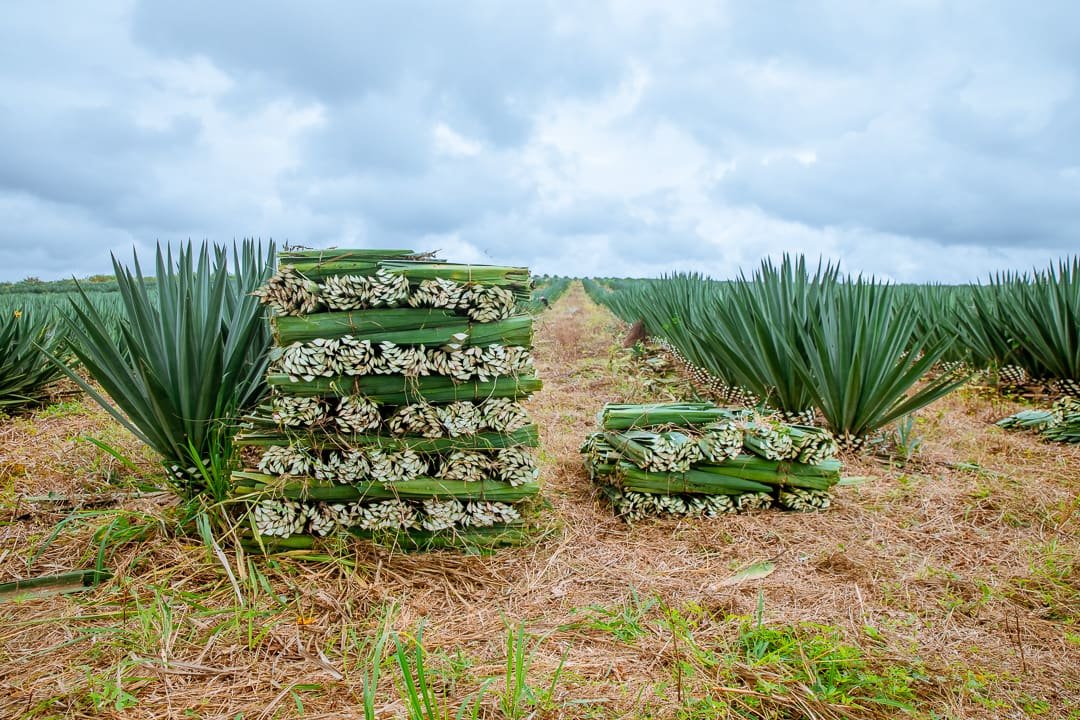
Yields: The leaf that becomes our fibre
Stage 02
Decortication
Harvested sisal leaves are processed to strip away the fleshy pulp and release the long natural fibres inside. This extraction step turns the leaf into the raw material for our yarn, twine and rope.
- Harvested leaf
- Pulp removed
- Released fibre
Yields: Extracted sisal fibre
Stage 03
Washing, Drying & Grading
Extracted fibre is washed, sun-dried and graded for length, strength, colour and cleanliness. Grading is the first quality gate, and it decides what the yarn can become.
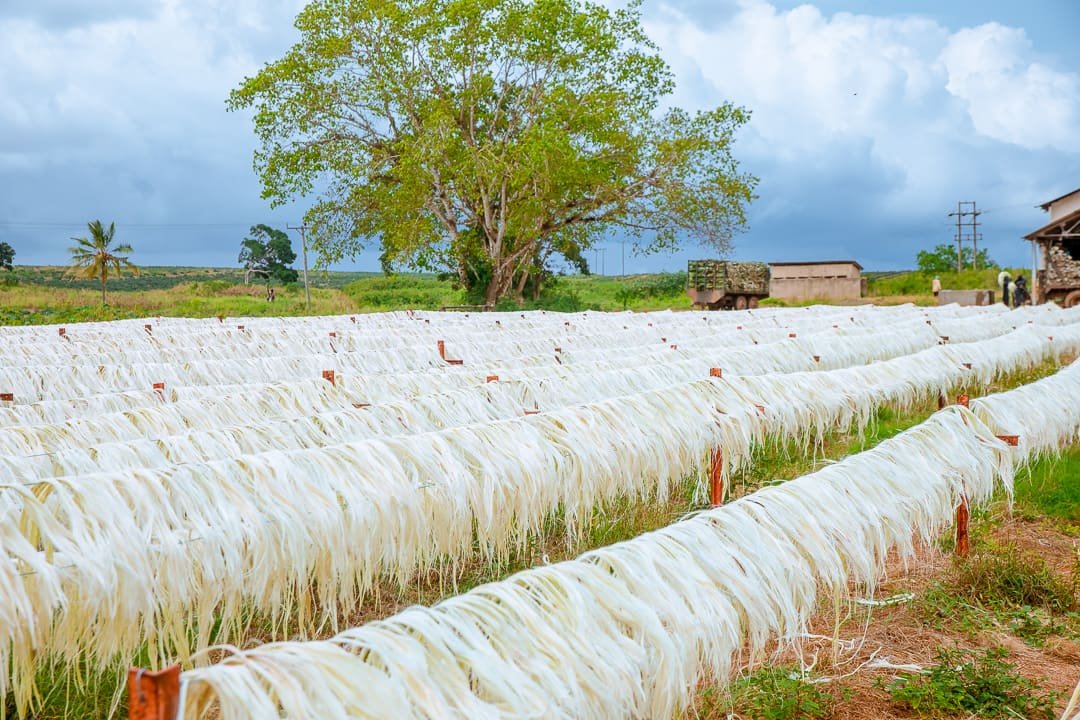
Yields: Sisal Fibre
Stage 04
Yarn Spinning
Graded fibre is spun into yarn at our mill at Pongwe, across a count range from 135 to 900 metres per kilogram. Coarse counts for carpet backing and weaving; fine counts for polishing cloth and packaging.
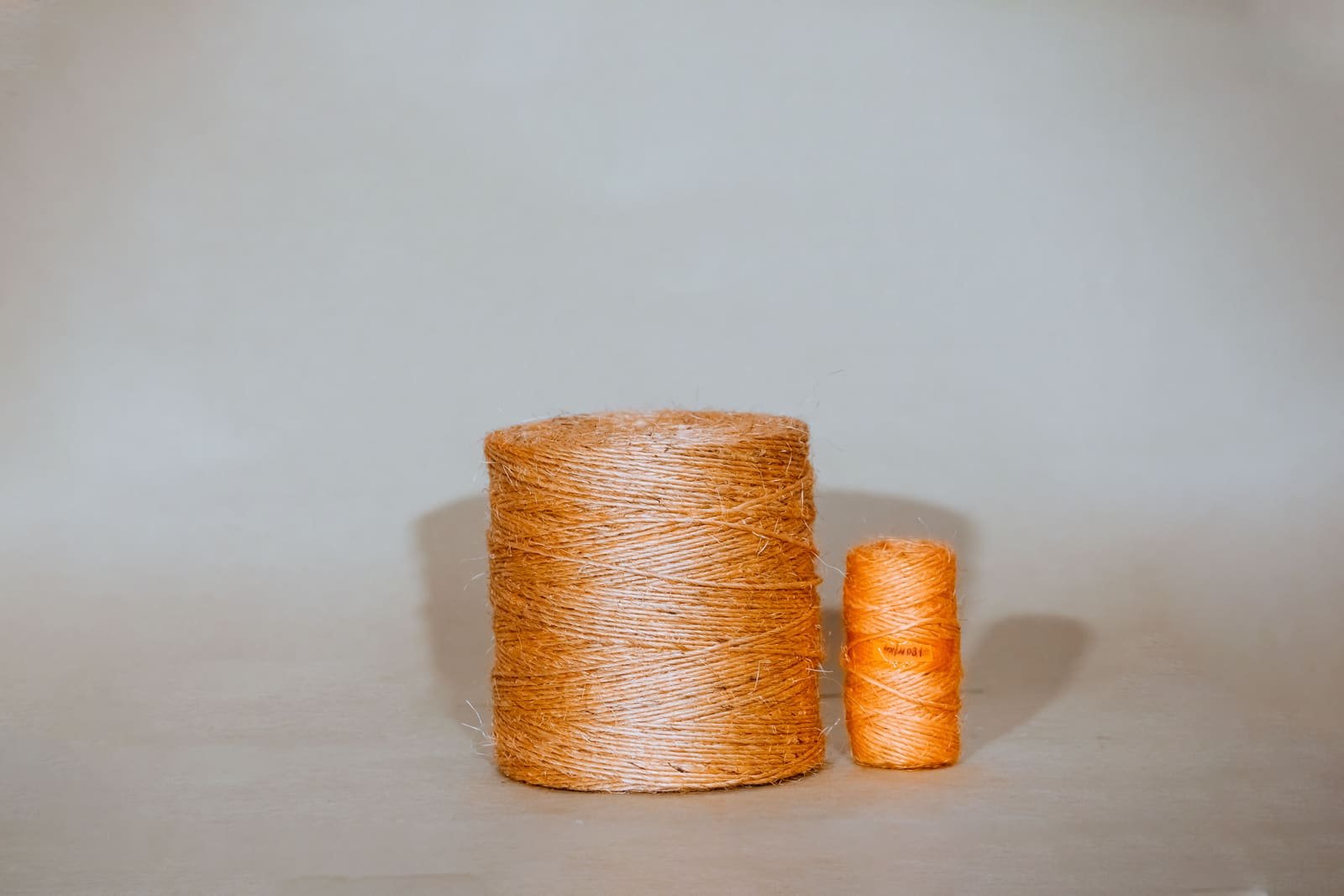
Yields: Sisal Yarn
Stage 05
Twine & Rope Manufacturing
Yarn is plied into twine in 2, 3 and 4 ply, and laid into three-strand rope from 5 mm to 40 mm. Ply count and lay determine the strength and handling of the finished product.
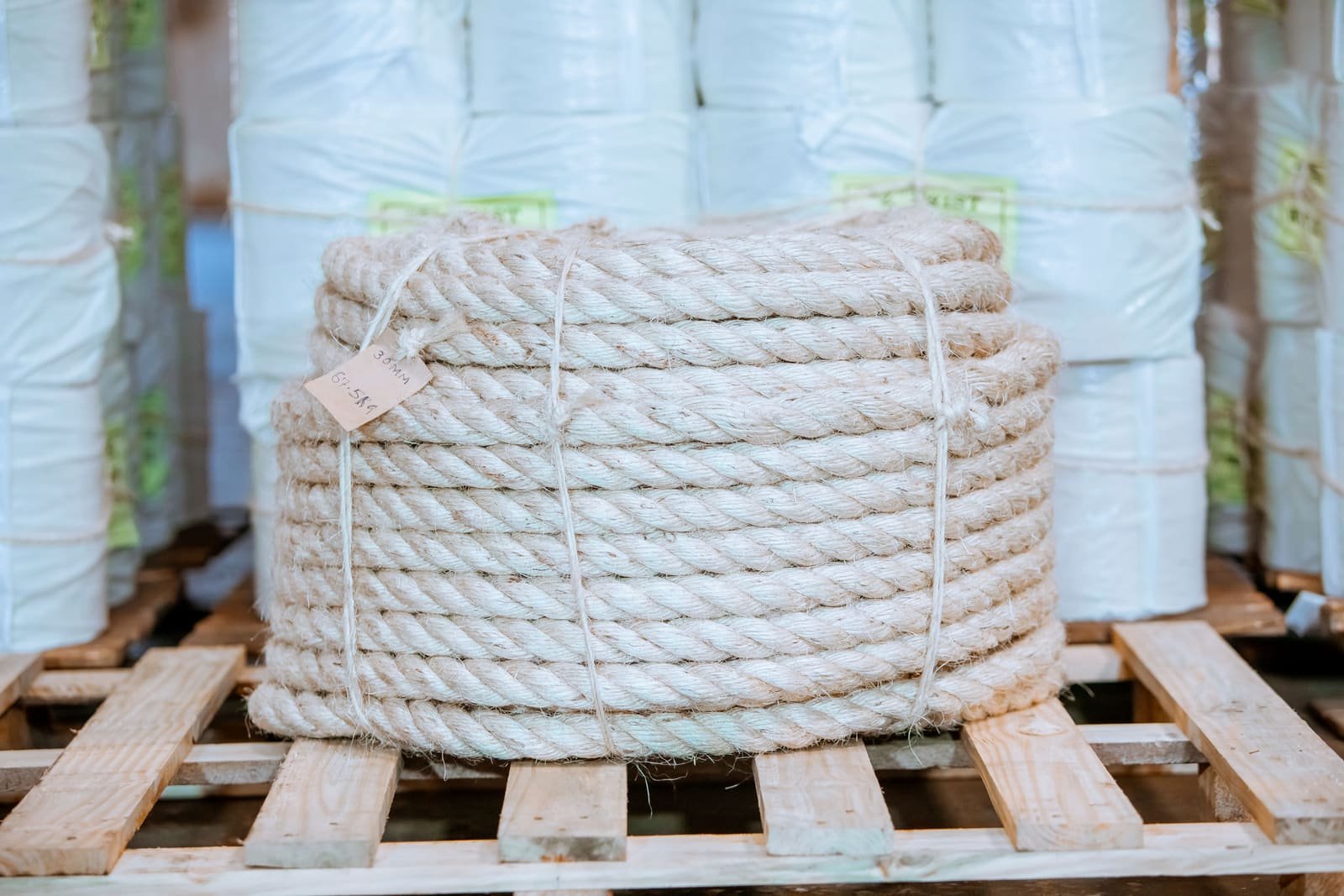
Yields: Sisal Twine and Sisal Rope


Quality control
Each stage has its own checks. Fibre is graded before spinning, yarn is checked to count before plying, and finished twine and rope are inspected before packing. Our products are manufactured under strict quality control systems to ensure consistency, durability and customer satisfaction, and are certified by the Tanzania Bureau of Standards (TBS).
Quality and certification in full